
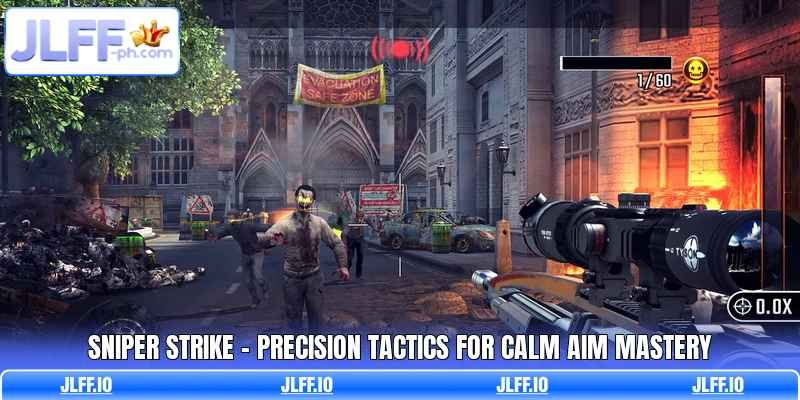
Sniper Strike focuses on patience, clean sight control, and smart mission reading before every shot. This article is written for action game players, to help people understand the core flow of tactical shooting, aimed at building steadier choices. Keep the JLFF notes close for sharper, cleaner play today.
Essential terms before playing Sniper Strike
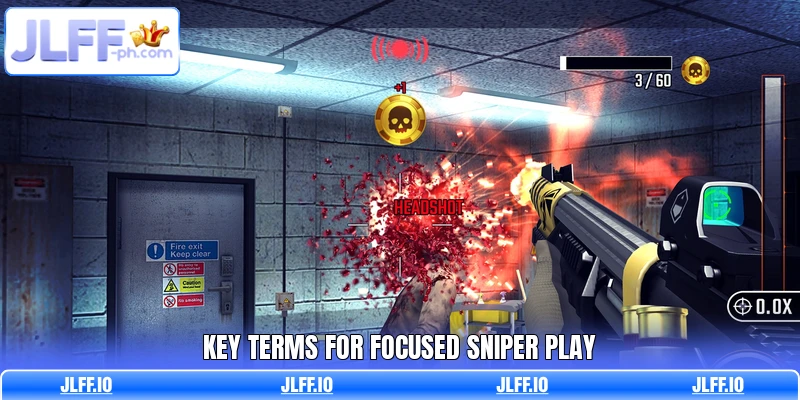
New players meet several tactical terms that shape aim speed, target choice, and mission rhythm. A clear grasp of these words keeps each decision calm when pressure rises. In Sniper Strike, small language details often explain why a clean shot succeeds.
- Scope sway: natural movement inside the sight that requires patience before a shot feels stable enough to release cleanly.
- Breath hold: a short aiming window used to reduce sight drift during harder angles or distant target checks.
- Hit marker: a visual signal that confirms impact quality so follow up action can stay measured.
- Threat level: a mission cue that shows how dangerous a target group may become during active combat.
- Reload gap: the brief delay after firing that can expose poor positioning when timing has been ignored.
- Cover line: a safe visual boundary that limits incoming fire while preserving enough space for aim adjustment.
Wind direction rules in Sniper Strike
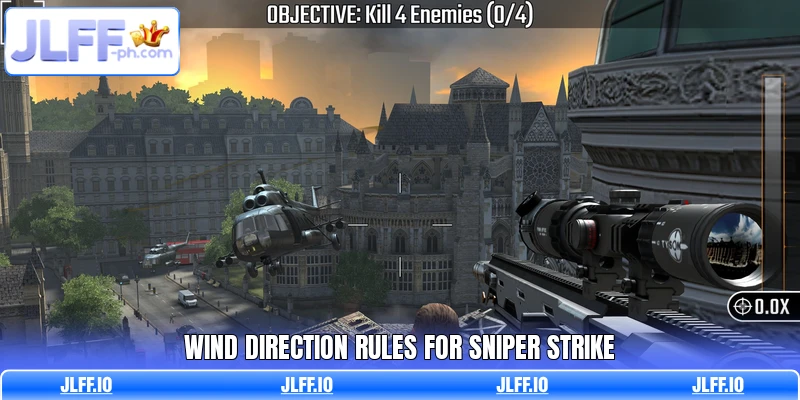
Wind changes the path of a bullet and forces the player to read the sight with care. Stronger movement across the screen usually demands a wider correction before the trigger is pressed. Mastery of Sniper Strike depends on reading that drift without rushing the shot.
- Left crosswind: aim slightly against the movement so the bullet path lands closer to the intended target point.
- Right crosswind: place the reticle with measured offset because the round may drift away during travel.
- Headwind pressure: expect lower speed and minor drop when the shot travels into heavy resistance.
- Tailwind lift: reduce overcorrection because forward wind can help the round stay flatter across distance.
- Gust timing: wait for steadier movement when sudden shifts make the sight picture unreliable.
- Range effect: longer shots magnify wind impact so small errors become visible at the final point.
- Elevation shift: adjust the aim when shooting from higher or lower ground because angle can change the expected impact point.
- Steady release: press the trigger only after the reticle settles because rushed movement can make wind correction less accurate.
Campaigns in Sniper Strike
Campaign design gives each mission a different rhythm, even when the core shooting model stays familiar. Careful pacing matters because every scenario changes pressure, visibility, and target behavior.
Hostage rescue missions in Sniper Strike
Rescue stages begin with a narrow margin for error because friendly targets often stand near hostile forces. Calm scanning matters before any trigger pull, since movement can hide the real threat for several seconds. The safest approach favors patient confirmation, clean sight alignment, and restraint when the angle feels unclear.
Hostage layouts often reward target order more than raw speed. A criminal near the captive may need instant attention while a distant guard can wait. JLFF reference notes treat these stages as discipline tests because panic can ruin an otherwise simple line of fire.
Good rescue play depends on knowing when silence is safer than action. A missed shot may alarm guards, shift the captive, or force a harsher time limit. Each attempt should build a habit of checking background space before choosing the final point of impact.
View more: Fishing Quest – Deep Sea Wins With Smarter Bait Play
High risk criminal assassination
Assassination missions usually place one dangerous figure inside moving cover or guarded territory. The challenge comes from identification, not from constant shooting, because decoys may cross the sight picture. A steady player studies movement patterns first and saves the shot for the clearest exposure.
Within Sniper Strike, high risk targets rarely stand still long enough for careless aim. A rooftop path, vehicle stop, or brief doorway pause can become the decisive moment. Patience keeps the mission controlled while aggressive timing often creates alerts that spread through the area.
Successful elimination calls for a planned exit in the mind before the shot occurs. Once the mark drops, nearby guards may react faster than expected. Clean completion depends on target proof, exact reticle placement, and confidence that no civilian crosses the bullet path.
Base defense against enemy forces
Base defense changes the pace by turning the sniper role into a shield for fixed ground. Enemies may arrive from several angles, which makes early sorting more important than fast firing. The best rhythm comes from removing immediate threats while saving ammunition for heavier waves.
A defensive round in Sniper Strike can punish tunnel vision more than weak accuracy. Watching only one lane gives attackers room to breach another side without warning. JLFF strategy summaries often frame these missions around awareness because survival depends on reading the whole perimeter.
Strong defense uses reload timing as part of the plan rather than a forced pause. Shots should remove the closest danger first, then reset the sight before the next push. When pressure climbs, calm target cycling keeps the base secure longer than frantic shooting.
Night survival sniper mode
Night survival lowers visibility and makes every sound cue feel more important than usual. Targets can blend into dark corners, so aim discipline must work with careful scanning. The mode favors steady breathing, controlled movement, and patience during long stretches without clear contact.
Survival nights inside Sniper Strike ask for sharper judgment because mistakes become costly fast. A player who fires too early may lose position while a delayed shot may allow a rush. The strongest runs come from reading silhouettes, muzzle flashes, and path changes before danger closes.
This mode rewards endurance as much as accuracy over several tense waves. Limited sight lines can make simple shots feel harder once fatigue builds. A composed rhythm helps conserve rounds, protect space, and keep decisions clear until the final threat falls.
View more Category: Arcade
Conclusion
Sniper Strike works best when aim, wind reading, and mission awareness stay balanced through each stage. The game rewards calm observation more than frantic firing, especially when targets move near civilians or guarded zones. JLFF notes can support steadier habits, so create an account when ready.