
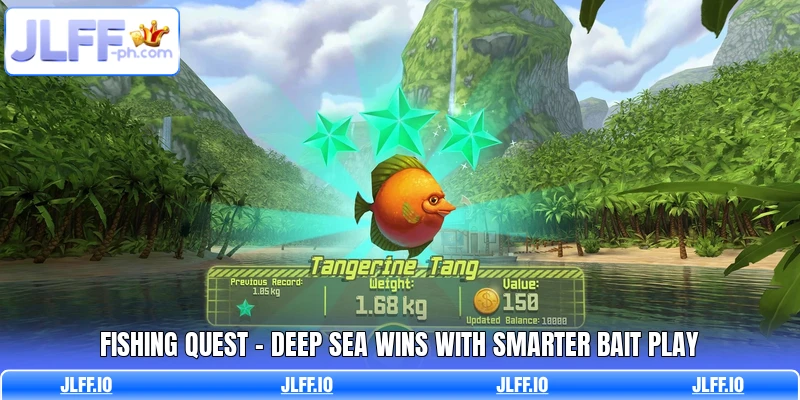
Fishing Quest turns bait timing, target choice, and prize rhythm into the core of play. Each round feels sharper when creature values, hit windows, and risk levels stay clear. This article is written for focused arcade players, to help them understand bait logic through JLFF, for the purpose of reading each cast with calmer judgment.
What makes Fishing Quest engaging?
Strong appeal starts with a simple loop that stays easy to read during fast rounds. Bait lands, aquatic targets move, then rewards depend on timing plus target value. Fishing Quest keeps attention on choice rather than noise, so each cast feels linked to visible action across the screen.
Pacing also matters because prize games can feel random when signals appear too crowded. JLFF presents aquatic movement in a way that keeps small targets, premium creatures, and rare bosses separated. Clear value layers help each decision feel measured, even when several targets cross the same bait path.
Another attractive point comes from how risk grows without forcing reckless play. Smaller catches can support steady scoring while rarer creatures create sharper tension. That balance gives the round a clear rhythm, since patience can matter as much as quick reaction during crowded scenes.
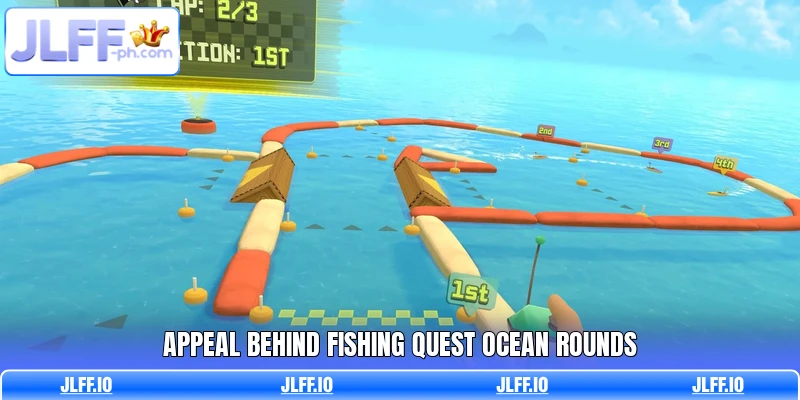
Understanding the bait drop mechanism in Fishing Quest
Bait control shapes every round because placement decides which aquatic path becomes reachable. In Fishing Quest, a late drop can miss a valuable lane while an early cast may pull smaller targets instead. JLFF keeps this mechanic readable so movement, timing, and payout tiers stay connected.
- Drop timing: A cast works best when bait meets a moving target path before the creature shifts beyond the strike zone.
- Target distance: Farther lanes may look tempting, yet closer lanes often create safer contact when movement becomes crowded.
- Bait value: Higher bait cost can suit premium targets, but small rounds still need careful control over each cast.
- Screen rhythm: Repeated movement patterns help identify when a lane is likely to open for a cleaner catch.
- Reward balance: Strong play comes from matching bait size with creature value instead of chasing every large figure.
- Cast restraint: Skipping weak lanes can protect the score balance, especially when premium targets may enter a clearer path moments later.
Aquatic species in Fishing Quest
Aquatic targets create the main scoring structure behind each round. Their movement style affects timing, risk, and the value of every cast.
Small fish scoring in Fishing Quest
Small fish often carry base rewards from 2x to 6x, making them useful during slower openings. Their paths usually cross the lower screen in groups of four to eight. Early catches help stabilize the score count before larger targets appear, especially when bait cost stays near 1 usd.
These smaller targets rarely create dramatic swings, yet they keep rounds active without heavy risk. A clean chain of five catches at 3x can support later shots. Their value comes from frequency, since repeated movement gives steadier chances than rare creatures crossing tight lanes.
Small fish also teach timing because movement speed stays more forgiving than premium targets. Missed casts cost less when bait remains low, which protects the round from quick loss. Once patterns feel familiar, these targets become a practical base for controlled scoring during longer sessions.
View more: Dash Mania – Fast Routes With Sharp Moves For Clean Wins
Stingrays with reward multipliers
Stingrays usually sit in a stronger value range, often from 12x to 35x depending on size. Their wide bodies make them easier to track, yet their turning angle can break bait contact. In Fishing Quest, a patient cast near the center lane often creates better strike timing.
Multiplier value makes stingrays attractive when the round already has a steady score base. A 20x hit can cover several missed small casts, so chasing them blindly still carries risk. Stronger results come from waiting until the ray flattens across the bait path.
Some stingrays appear in pairs, with the second one moving slightly behind the first. This spacing can tempt quick double casts, yet timing must stay precise. When bait cost reaches 2 usd, one accurate stingray catch can shift the round from slow build to stronger momentum.
Golden crabs with treasure chests
Golden crabs often carry chest values near 50x to 120x, depending on round level. They move slowly across the lower lanes but usually stay guarded by smaller targets. A clear path matters because blocked bait can waste a strong chance before the chest animation appears.
The chest effect creates a focused reward moment, yet it should never replace basic target reading. In Fishing Quest, golden crabs work best after small catches have built enough score space. That setup makes a 75x result feel planned rather than forced through rushed bait drops.
Crab timing depends on patience because their side movement can stop near screen edges. A cast placed too early may hit a minor target instead of the shell. Waiting half a beat can improve contact, especially when the crab turns under a clear lane.

Shark boss with billion-level prizes
The shark boss sits at the highest risk tier, often showing values from 500x to 1000x in peak rounds. Its path can cut across several lanes with sudden speed changes. Large reward numbers look tempting, yet the bait window is usually narrower than any other creature.
Boss rounds demand restraint because several weak casts can drain the score before one clean opening appears. In Fishing Quest, the strongest shark attempt often comes when smaller creatures move away from the center. A clear screen gives bait more room to connect with the boss path.
A 1000x shark prize can shape the whole session, but it should match the available score balance. Low remaining credit makes a missed boss cast expensive. Safer play often means taking one prepared attempt, then returning to mid-tier targets when the shark leaves the screen.
View more Category: Arcade
Conclusion
Fishing Quest works best when bait timing, creature value, and risk level stay easy to read. The core appeal comes from matching each cast with the right target instead of chasing every large number. JLFF keeps the subject clear, so create an account with steady focus.