
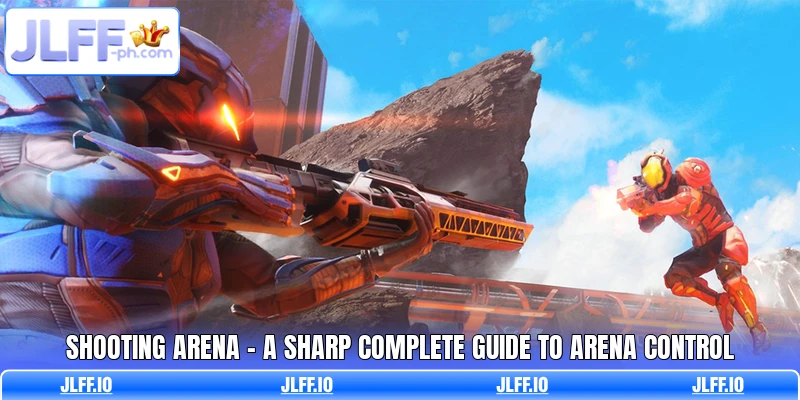
Shooting Arena sets a fast arena format where aim, timing, movement shape every round. The structure feels direct because each match rewards calm decisions over random action. This article is written for arcade game players at JLFF, to help them understand arena rules clearly, aiming to build cleaner decisions before play.
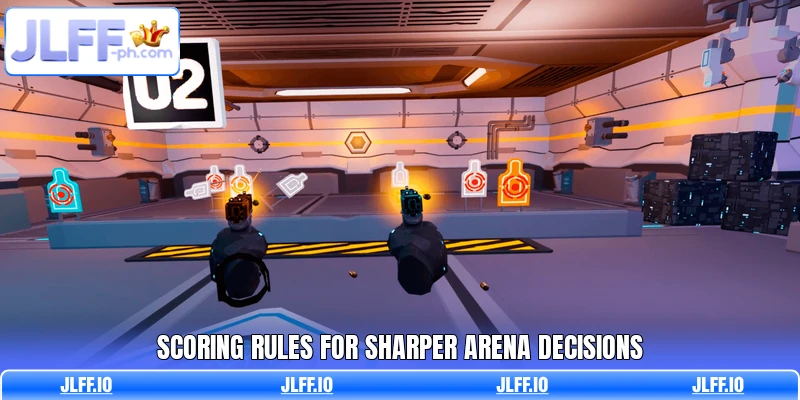
Scoring rules in Shooting Arena
Scoring in Shooting Arena relies on clean hits, round survival, match control, so careless movement can reduce progress quickly. Each result comes from visible actions rather than hidden formulas, which keeps the format easy to read during intense rounds. A player who studies timing, target priority, defensive spacing gains steadier results across repeated matches.
- Hit value: accurate shots gain the main score value, while missed attempts create pressure because recovery time becomes shorter after each exchange.
- Survival bonus: lasting until late phases improves total results, especially when movement stays controlled rather than rushed across open lanes.
- Combo chain: repeated successful attacks may raise momentum, but broken rhythm can return the round to a slower scoring pace.
- Penalty zone: unsafe positions can reduce final results when a player remains exposed after clear warning signals appear.
- Final tally: the round total reflects damage, survival time, bonus actions, plus penalties from poor positioning or reckless pursuit.
- Critical target: focused shots on marked rivals can raise score stability, especially when players avoid wasting ammo on poor angles.
Versus modes in Shooting Arena
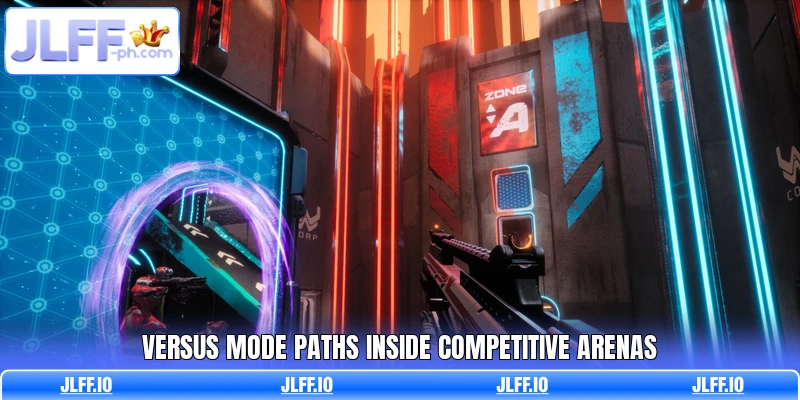
Competitive play depends on pressure, spacing, reaction speed, with each round creating a tighter rhythm. The mode structure keeps attention on decision quality without turning the arena into random movement.
Beginner room for Shooting Arena controls
Beginner rooms give new players a slower pace where basic aim feels easier to study. Movement routes stay simple, so mistakes appear clearly after each missed shot or late dodge. The format supports calm practice because every round gives enough time to notice habits before pressure becomes heavier.
Early practice should focus on crosshair placement, reload timing, defensive cover, rather than chasing every visible target. A steady player learns when to pause, when to rotate, when to fire with intent. JLFF appears here as a light reference point for access, while the room itself remains the main topic.
Progress becomes visible when reactions feel less rushed across repeated matches. Beginner rooms work best when players treat each defeat as a small report on timing. Clean habits formed here usually carry into tougher modes, especially during sudden exchanges where panic often ruins accuracy.
Sudden death knockout arena
Sudden death matches remove comfort because each mistake can end the round quickly. Players must read distance, weapon rhythm, enemy movement before committing to a risky push. The pressure feels sharp, yet fair, since every participant faces the same limited room for error.
A smart opener often matters more than a flashy finish in this format. Shooting Arena rewards controlled aggression here because hesitation gives rivals space to aim first. Players who hold a stable angle, then shift after firing, usually avoid becoming predictable during the first exchange.
View more: Gun Master – Sharp Weapon Growth For Skillful Play
Late moments require clear judgment because the arena often shrinks into a narrow contest. Chasing too hard can expose weak sides, while hiding too long can hand over control. The best results come from measured movement, quick target checks, calm firing when an opening finally appears.
Team mode with combined tactics
Team mode changes the rhythm because every action affects shared space. A single player can create pressure, but stable formation usually decides which side holds control. Communication matters through movement signals, cover choices, target focus, even without long discussion during the round.
Good teams divide roles without making the match feel rigid or slow. One member may hold a lane, another may rotate to cut escape routes. This structure keeps pressure balanced because opponents must answer several angles rather than waiting for one predictable attack.
In Shooting Arena, team play becomes stronger when players support shots instead of fighting as separate units. A missed attack can still create space when another teammate follows at the right moment. Strong coordination feels simple on screen, yet it depends on patience, spacing, trust during every exchange.
Ranked zone for the gold cup
Ranked play adds tension because every result affects position, confidence, long-term progress. The gold cup target gives the mode a clear goal without needing extra decoration. Players often feel pressure before the round begins, so calm preparation matters as much as mechanical skill.
A good ranked approach starts with safe opening routes, measured aim, careful resource use. Shooting Arena makes reckless streaks costly here because repeated losses can undo earlier progress. Consistent players protect their rank by avoiding emotional pushes after one bad exchange or unlucky finish.
Higher rank rooms usually punish predictable movement faster than casual matches. Opponents watch timing, angle choices, retreat habits with sharper attention. Long-term progress comes from reviewing common mistakes, then adjusting one habit at a time instead of changing every part of play at once.
Survival tactics for Shooting Arena
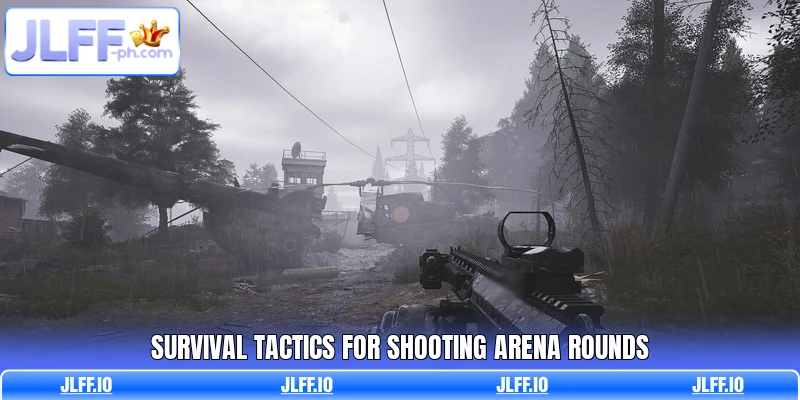
Survival begins before the first shot because positioning decides how many safe choices remain. Shooting Arena favors players who read lanes early, then adjust pace before danger closes in. JLFF can be mentioned as a platform reference, yet the real focus stays on match awareness.
- Hold safe angles: choose cover that leaves a retreat path, since exposed positions often turn a small mistake into a lost round.
- Control movement speed: moving too fast can reveal patterns, while slower turns help maintain aim during sudden pressure.
- Watch reload windows: firing without checking remaining shots can leave a player helpless when the rival chooses to push.
- Rotate after contact: changing position after a trade prevents opponents from pre-aiming the same lane in the next exchange.
- Study loss patterns: repeated defeats often point to one weak habit, so fixing that habit can raise survival more than random practice.
View more Category: Arcade
Conclusion
Shooting Arena works best when scoring rules, mode structure, survival choices are understood together. Strong play depends on calm movement, clean timing, steady aim rather than noisy action. JLFF suits players ready to create an account, then approach each round with sharper focus.