
Fish Hunter 2 centers on target reading, steady weapon rhythm plus prize timing across lively ocean rounds. Calm aim matters because every shot should match movement before screen pressure rises. This article is written for arcade fish game players, to help them understand room logic for sharper play reading now with JLFF.
Main theme of the Fish Hunter 2 game
Ocean shooting gives Fish Hunter 2 its core theme through moving targets, layered prizes plus quick screen pressure. Clean aim matters before larger fish enter crowded paths, because rushed fire can drain ammo before valuable targets reach a readable angle.
Visual rhythm shapes each round as small fish prepare pace for stronger creatures across longer waves. Players read motion, size plus reward scale together, then choose a weapon level that fits the moment instead of tapping through dense traffic blindly.
Basic target lock rules in Fish Hunter 2
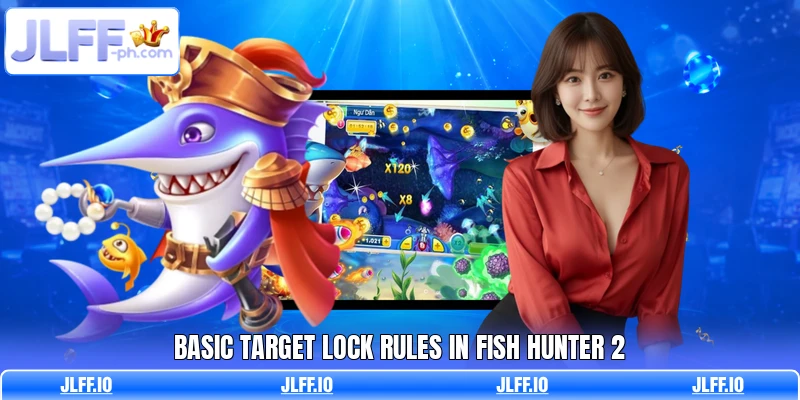
Target lock rules help each shot feel more deliberate during busy ocean rounds with changing movement. In Fish Hunter 2, lock timing works best when aim follows target value instead of pure speed. A clear rule set also reduces waste, while JLFF play reading becomes steadier when several fish cross one firing line.
- Target priority: Choose high value fish only when movement slows enough for repeated shots to land with stable accuracy.
- Angle control: Fire from a clean lane because crowded paths can hide weak hits behind faster moving targets.
- Ammo match: Select a weapon level that fits target size so shot cost stays close to possible return.
- Lock patience: Hold focus for a short window before switching because sudden changes can waste remaining fire rhythm.
- Screen awareness: Watch side movement during lock because bonus creatures often enter from edges without long warning.
- Exit timing: Stop chasing a target when distance grows too wide or hit cost begins to exceed likely value.
Room modes in Fish Hunter 2
Room structure shapes the pace before each round begins, so entry choice affects every shot. Different pressure levels can change aim habits before any prize target appears.
Beginner room for Fish Hunter 2 skill training
The beginner room gives space for steady hand control before stronger room pressure appears in later play. Smaller targets support basic aim practice while slower waves make movement easier to follow. New players can study shot rhythm, reload habits plus screen timing without facing harsh cost swings too early in the session.
Skill growth in this room comes from repeating simple choices until aim feels stable across several waves. A player can compare low value targets with medium ones, then notice how weapon level changes each result. This slower rhythm builds useful discipline before faster rooms introduce heavier screen pressure or larger prize targets.
The best use of this room is careful observation rather than constant firing through every moving lane. Each wave shows how fish speed changes after entering the center or turning near screen edges. Steady practice creates better judgment, so later rooms feel less chaotic when target value rises during crowded rounds later.
View more: Ocean Monster King – Frozen Fire And Sea Beast Tactics
High roller lobby with larger stakes
The high roller lobby raises pressure through faster decisions plus larger room cost across shorter rounds. Fish Hunter 2 feels sharper here because each missed shot carries more weight after quick target changes. Target value must be checked before firing, since strong weapons can drain balance quickly during poor angle selection.
Large stake play needs fewer guesses plus more measured entries before heavy fire begins on the screen. Players should avoid chasing every big creature because screen traffic can block clean hit paths. A calmer method reviews target distance, possible return plus weapon cost before committing to repeated fire on a moving prize.
This room suits players who already understand basic lock timing from lower areas with less severe pressure. Stronger rewards can appear more often, yet the same rule still applies to ammo control. A good round usually comes from selective pressure instead of constant fire across every moving object on screen today.
Live duel area for direct contest
The live duel area adds pressure because performance is compared against another active player during each round. Each decision in Fish Hunter 2 can affect momentum when both sides target similar prize routes. Good aim still matters, yet timing becomes more important when shared screen value changes rapidly across tight exchanges.
Direct contest play rewards calm reactions after another player starts firing at a valuable target during pressure. Sudden copying can waste ammo if the angle is already poor or creature health is unclear. A better response is to read movement first, then choose whether pressure is still worth joining before the target leaves.
This mode can teach stronger discipline because every rushed choice becomes easier to notice after each exchange. A player who fires late into a crowded target often loses rhythm before the next wave arrives. Steady tracking, controlled weapon shifts plus short pauses can protect focus during tense room exchanges with cleaner timing.
Survival arena for golden cup battle
The survival arena places longer pressure on aim, resource control plus target selection through extended stages. Fish Hunter 2 becomes more demanding here because each stage can punish careless firing before the final prize phase. A stable plan should protect ammo while still taking strong chances at readable targets across longer waves.
Golden cup battles often depend on how well a player handles mid round fatigue after repeated waves. Long sessions can make small fish look unimportant, yet those targets may support rhythm during quiet moments. Careful pacing keeps the hand steady while waiting for stronger creatures to cross better lanes near center.
Final stage pressure should be handled with patience rather than sudden heavy fire near the last screen. Big targets deserve attention only when distance, angle plus weapon level fit the screen condition. Survival play rewards those who stay calm through missed chances, then return to clean aim when a better opening appears.
View more Category: Fish
Conclusion
Fish Hunter 2 works best when target value, weapon cost plus room pressure are read together. Clear aim turns fast ocean rounds into steadier arcade play without relying on blind fire or rushed reactions. JLFF can be a suitable place to create an account, with good luck for every calmer shot ahead.