
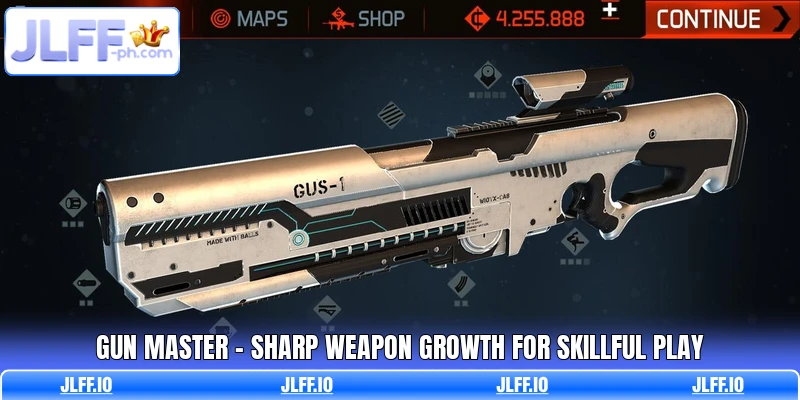
Gun Master centers on weapon growth through damage timing plus upgrade choice. This article is written for players studying weapon growth, to help them understand the core logic behind firearm progress with the purpose of choosing upgrades with cleaner intent. Read with JLFF as a focused note beside the action before each run.
Understanding the upgrade system in Gun Master
A strong upgrade path starts with reading how each stage pressures movement plus reload windows during short pressure spikes. Early choices should support survival first because lost rhythm can make later firepower feel wasted. Later decisions gain value when damage speed range work together through a clear combat plan that stays readable under pressure.
- Base stats: Treat fire rate plus damage with reload speed as linked traits because one weak stat can limit the whole weapon cycle.
- Upgrade timing: Spend resources after noticing where runs slow down, since Gun Master rewards measured changes over random boosts.
- Damage scaling: Raise attack power when targets begin surviving too long, then balance it with handling so shots still land cleanly.
- Control upgrades: Improve accuracy or spread when enemies crowd the screen, because stable aim keeps pressure lower during longer waves.

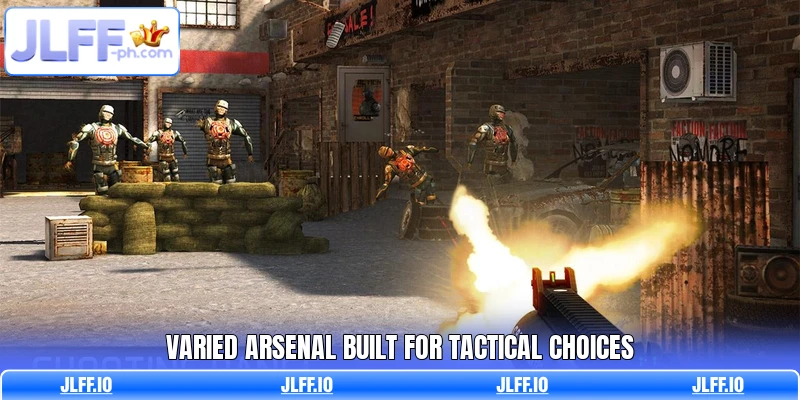
Diverse arsenal of Gun Master
Weapon variety shapes the pace of every stage, especially when enemy movement starts changing. JLFF frames this section as a practical view of firepower rather than a brand pitch.
Basic pistol speed in Gun Master
Pistols feel simple at first because their rhythm is easy to read during early waves. Fast shots help maintain pressure when targets appear from several angles or tight corners. Their value comes from steady tempo plus quick recovery after movement, while reliable aim keeps small mistakes from breaking the run for long.
A basic sidearm works best when upgrades support speed before chasing heavy damage. Short reload gaps allow smoother repositioning across narrow paths or open lanes under pressure. This makes the weapon useful for learning enemy timing, since every shot teaches spacing without covering the screen in visual noise or panic fire during tense waves.
Players often keep pistols relevant by pairing faster fire with modest damage growth. That balance prevents weak hits from dragging fights too long during middle stages. A careful build also protects resources, because a low-cost weapon can stay effective while larger options wait for better timing in difficult waves without rushing upgrades.
High damage assault rifles
Assault rifles sit between light weapons plus heavy firepower because they handle shifting threats well. Their strength comes from stable bursts that punish groups without slowing movement too much. A good rifle setup favors control first, since missed rounds can waste damage during crowded map sections or sudden enemy pushes near tight corners.
The best rifle runs usually start by raising accuracy before stacking raw attack power. In Gun Master, this approach keeps recoil from ruining clean lines when enemies press from several routes. Higher damage then matters more because each burst lands with better consistency across medium distances during longer fights or boss pressure.
View more: Sharpshooter King – Sharp Precision Under Real Pressure
Rifles also suit players who prefer flexible reactions instead of fixed patterns. They can hold lanes then clear advancing targets after a poor angle with limited delay. When upgrades follow stage pressure, the rifle becomes a dependable middle path between speed and impact across changing combat conditions without forcing risky movement.
Heavy machine guns for map clearing
Heavy machine guns create control through volume, which can calm hectic waves when space becomes tight. Their slower handling asks for early positioning before enemies fully surround the area. Once the barrel rhythm settles, wide fire coverage can push back groups that smaller weapons struggle to contain during pressure spikes near spawn points.
Resource planning matters more here because heavy weapons punish careless upgrade choices. In Gun Master, a machine gun gains real value when reload speed supports its natural power. Without that balance, strong fire can feel clumsy during fast waves or sudden side pressure across crowded map lanes with steadier recovery after pauses.
This weapon type suits stages with dense enemy flow, especially when targets arrive in predictable lanes. Heavy fire can erase weak groups while softening tougher threats for later shots. Its main lesson is patience, because firing early from the wrong spot wastes the strength that makes it dangerous during final enemy waves.
Laser rifles for target destruction
Laser weapons change the feel of combat by focusing on direct lines with sustained pressure. Their visual clarity helps track targets during busy moments without relying on scattered bullets. Strong placement matters because a beam can dominate a path when movement timing upgrade order support the same plan during heavy map pressure.
Damage consistency is the main reason many builds shift toward lasers later. Within Gun Master, laser upgrades become stronger when range behavior matches the map shape. This keeps pressure steady against tough targets that would survive weaker bursts or force wasteful reload cycles during late stage fights or sudden elite waves.
Laser rifles require discipline because careless movement can break their best angles. They shine when players hold clean lanes then adjust before enemies cut across the beam path. Used with patience, the weapon feels precise rather than flashy while giving late stages a sharper sense of control through the final push.
Weapon tuning tips for Gun Master
Better weapon tuning begins with noticing what actually causes a failed stage. JLFF places focus on practical choices that fit the run instead of copying a fixed build. Every upgrade should answer a visible problem, whether that problem is weak damage slow handling or poor lane control during each attempt.
- Study the wave: Watch which enemy type causes pressure first, then upgrade the stat that removes that exact weakness from the next attempt.
- Keep roles clear: Let one weapon handle groups while another targets durable enemies, so resources support a cleaner battle structure.
- Avoid panic spending: Save upgrades until patterns become clear, because Gun Master punishes scattered choices during longer sessions.

View more Category: Arcade
Conclusion
A clear view of Gun Master makes weapon growth easier to judge without treating every upgrade as equal. Strong play comes from reading stage pressure then choosing firepower that fits the problem. JLFF wishes steady progress plus good luck through each careful run.