
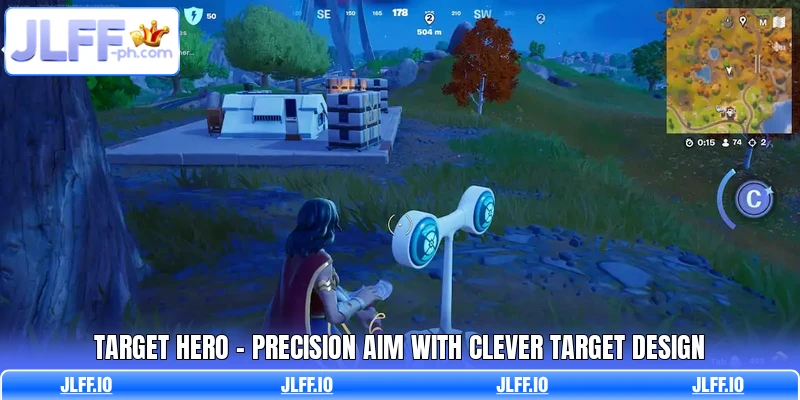
Target Hero turns aiming into a focused test of timing plus distance control. This article is written for arcade players, to clarify how this shooting game works in order to build steadier play. Study the JLFF notes with a calm eye, then enter the range with steadier judgment and cleaner practical decisions today.
Understanding the unique aiming mechanic of Target Hero
Aiming starts with cursor rhythm rather than the shot itself. The game rewards patience because early fire can waste a clean line. A short pause helps the target settle before the next move feels readable.
The main appeal of Target Hero comes from aim travel, target speed, and hit timing. Distance changes every decision before release. Close marks invite quick pressure, while far marks reward slower control during fast scoring rounds.
Core target system in Target Hero
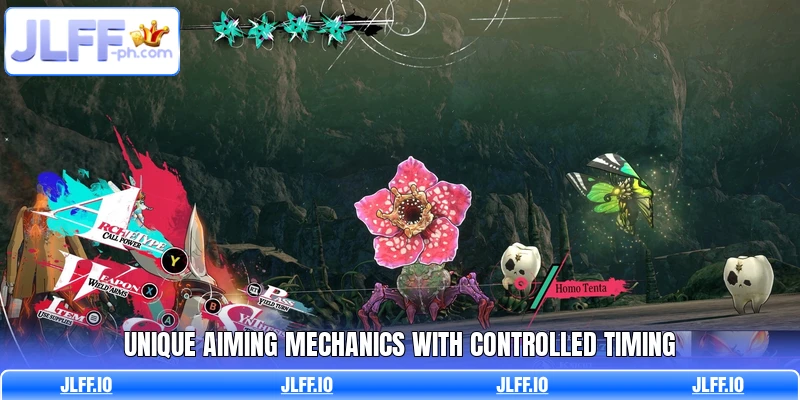
A strong target system gives every round a clear reason to demand attention during each timed shot. The design stays readable while pressure builds through motion plus spacing with hidden risk in play.
Moving targets in Target Hero raise game pressure
Moving targets create tension because the ideal firing point rarely stays still for long. A shot that looks correct at first can drift wide within a brief delay. Careful tracking matters more than raw speed, since the cursor must meet the target path at a point that still feels stable under pressure.
The strongest approach is to read motion as a pattern rather than a surprise. Some targets move with a smooth line, while others change pace near the edge of the screen. Waiting for that small rhythm shift can reveal a cleaner moment, which helps prevent wasteful shots during crowded rounds with pressure.
Pressure increases when several moving marks cross the same visual space. The eye may follow the loudest motion, yet the safest hit could sit elsewhere. Players who separate background movement from true target direction gain calmer control, especially when the aiming line must cross a narrow gap under pressure with little warning.
Bullseye rings that double the score
Bullseye rings add a sharper layer to scoring because the center asks for exact placement. A basic hit may keep the round alive, but the ring rewards a cleaner release. In Target Hero, this scoring layer pushes players to value aim quality over fast taps when the target remains reachable under pressure.
The best center hits often come from a short hold before release. That pause gives the aim point time to stop drifting across the ring. A rushed shot might still connect with the outer zone, although the higher reward depends on placing the cursor near the true middle during careful scoring rounds.
View more: Shooting Arena – A Sharp Complete Guide To Arena Control
Ring pressure can change the feel of a round without adding visual clutter. The target remains simple, yet the decision becomes more serious once the double score zone appears. Smart players choose center attempts only when the sight line feels settled, then accept safer hits when timing turns unstable near the end.
Obstacle items blocking the bullet path
Obstacles change the meaning of a clear target because the path matters as much as the mark. A target can sit in view while the bullet lane remains unsafe. In Target Hero, these blockers force players to study space between aim point and impact area before trusting a shot during crowded rounds.
Good timing often means waiting for the obstacle to leave the firing line. Some blocks pass quickly, while others linger near the center. A patient approach keeps the shot from striking the wrong object, which protects score flow during rounds where several hazards overlap near the final lane with safer rhythm intact.
Obstacle rounds reward calm scanning rather than sudden reaction. The eye should check both the target face plus the route in front of it. When the lane clears, the shot can be released with firmer confidence because fewer hidden risks sit between the cursor and the mark during the later scoring phase.
Golden targets with massive coin rewards
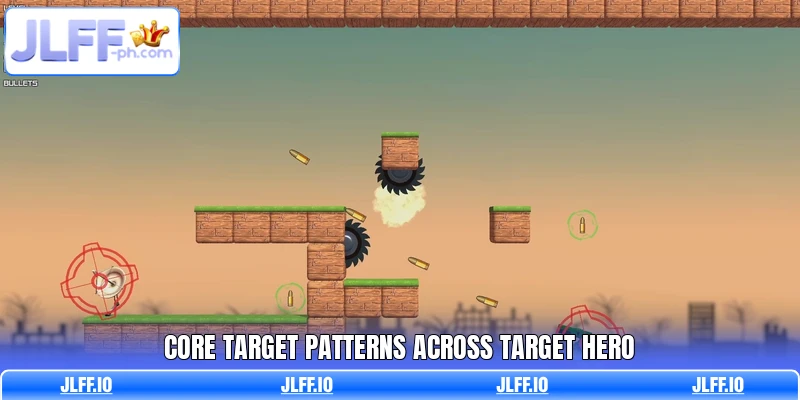
Golden targets create a reward spike that can tempt players into poor timing. The bright color draws attention fast, yet the best shot still depends on lane control. In Target Hero, the golden mark works best as a bonus chase rather than a reason to ignore basic aiming rules during difficult rounds.
JLFF keeps this target type easy to recognize, which helps players react without reading extra instructions. The challenge comes from deciding whether the reward is worth the risk. A golden target near obstacles may demand restraint, while a clean path can justify a quicker shot with better control during fast scoring rounds.
Coin reward moments feel strongest when they stay rare enough to matter. Too much chasing can break aim discipline, especially during rounds with moving marks. Players who treat golden targets as calculated chances usually keep better rhythm, since the main goal remains accurate fire under shifting pressure across the full timed session.
Steps to aim Target Hero with steady control
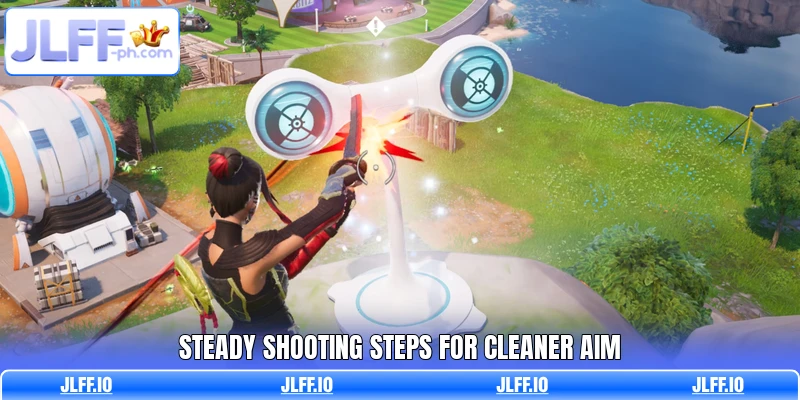
Aiming improves when each action follows a small routine instead of a sudden impulse. The sequence should keep attention on target movement plus lane safety with score value. This approach suits short arcade sessions because it reduces panic during faster rounds while keeping each shot more deliberate from start to finish today.
- Read the target path: Watch its speed before firing so the cursor meets a predictable point rather than chasing late movement across the screen.
- Check the bullet lane: Confirm that no obstacle sits between the cursor and the mark before pressing the shot with full confidence.
- Set the aim point: Place the cursor slightly ahead of motion when Target Hero targets keep sliding across the firing area.
- Hold for one beat: Use a brief pause to steady the line when the bullseye ring offers a higher score during tight rounds.
- Fire with restraint: Release only when the target path plus lane condition support the same decision with clear reward value.
View more Category: Arcade
Conclusion
Accurate play in Target Hero comes from patience plus target reading with steady release rather than frantic tapping. JLFF appears only as platform context, while the focus remains on aim logic plus scoring pressure with obstacle judgment. Create an account when ready, then approach each round calmly.